

By Ethan Gonzalez
What kind of climate defines Lakewood?
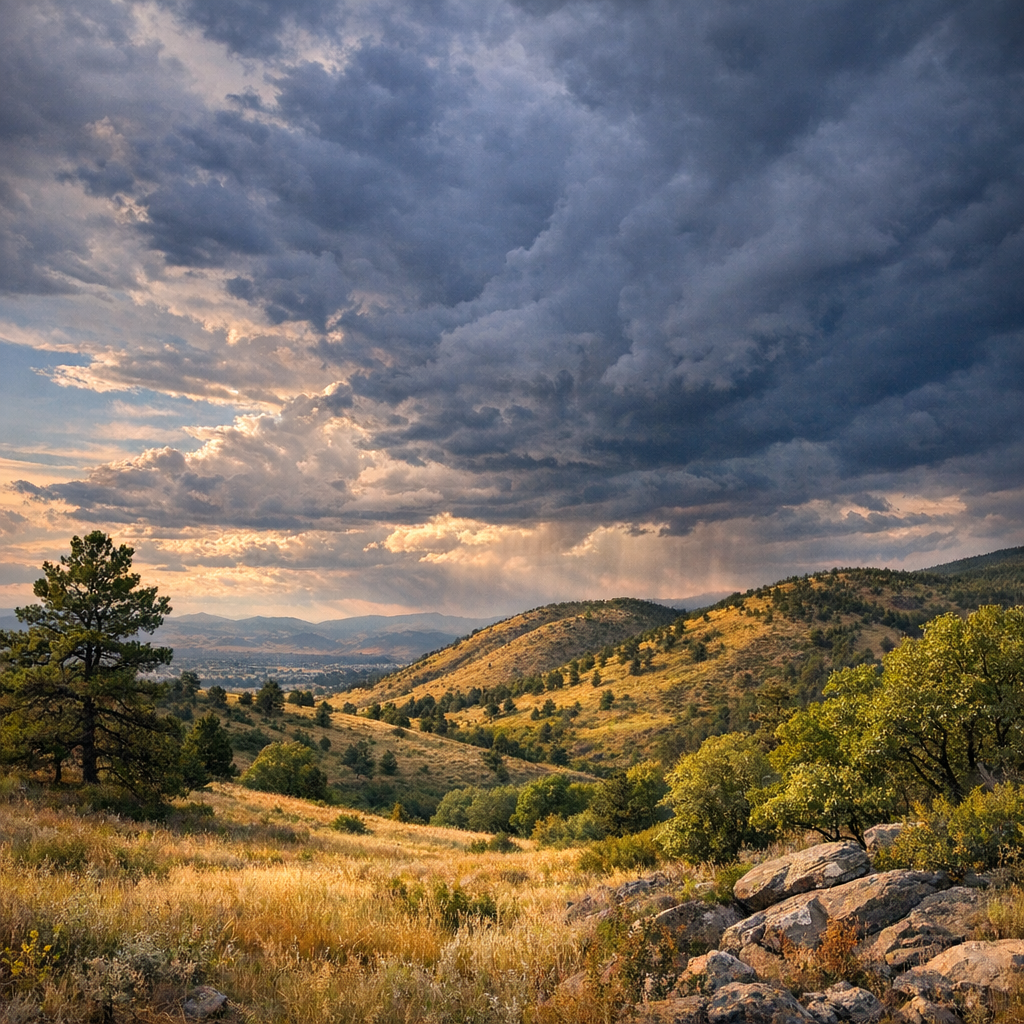
Lakewood sits at the base of the Front Range in Colorado, where semi-arid High Plains meet the foothill landscapes of the Southern Rockies. Within city limits we encounter a mix of landscapes—grasslands, shrublands, riparian zones—with elevation rising westward toward Green Mountain. Those changes mean local weather and ecosystems shift noticeably over short distances.
Average annual precipitation sits around 17 ½ inches, with snowfall averaging over 50 inches. Temperatures swing from cold winter lows in the 20s °F to summer highs approaching the upper 80s. The colder season brings frequent frost, while summer days are warm and dry.
This climate pattern—known in scientific terms as cold semi-arid (Köppen BSk)—feeds familiar cycles: snowpack develops in late fall through winter, moisture builds up, then melts gradually through spring into early summer.
That cycle supplies not only water for natural systems, but also shapes the timing of plant flowering, the behavior of animals, and local water availability.
How are the seasons changing?
Recent studies show warming temperatures over past decades have shifted many of these seasonal rhythms. Snowpacks are reaching their peak earlier in spring, and melting sooner—lowering summer streamflow and soil moisture during warm months.
Forests throughout Colorado are under strain: heat stress, drought, and mild winters have all conspired to favor pests and disease in trees. Dense forest stands from prior fire suppression become dry fuel in late summer and early fall, heightening wildfire risk.
Even in urban areas like Lakewood, those risks matter. Tree cover close to structures, dry creekside vegetation, and homes at the edge of open space are among the local factors that amplify fire danger.
What does it mean for Lakewood residents?
Water supply & local habitats
Earlier snowmelt means spring runoff may arrive before demand peaks, stressing water storage systems and riparian ecosystems. Wetlands and riparian zones along creeks and reservoirs depend on sustained soil moisture, and disruptions to those summer sources can leave plants and wildlife vulnerable.
Native grasses like blue grama and buffalo grass, and shrubs in foothill areas, evolved for this climate—but prolonged droughts and hotter summers could push them toward decline without management or restoration.
Wildfire risk & air quality
Warmer, drier weather stretches the fire season. Wildfires historically tend to arise from mid-summer through early fall, but changing climate means those windows are expanding.
Adding to that, smoke from fires—local or distant—impacts health. Especially for seniors, children, and those with respiratory vulnerabilities, smoky skies degrade air quality and make outdoor time risky.
Gardeners, parkgoers & city planners
Shifts in growing seasons may let gardeners plant earlier—but risk of late frost can still catch plants off guard. Timing of bloom and leaf color in fall may not align with typical calendars anymore.
For parks and planners, this means considering drought-resistant landscaping, natural firebreaks, and ensuring open spaces are managed with an eye toward reduced moisture and higher fire risk.
How we can adapt & stay resilient
- Conserve water—both individually (xeriscaping, mindful watering) and municipally—to buffer dry periods.
- Support forest health and fire mitigation programs, especially in foothill zones and near development.
- Use native plants suited for semiarid conditions to reduce irrigation needs and increase resilience.
- Watch local advisories—wildfire risk, air quality, and flood warnings—especially during transitional seasons.
- Promote green infrastructure to help soils retain moisture and reduce runoff, improving resilience to intense rain events.
Lakewood has long called semi-arid foothills home. As seasons shift, recognizing and adjusting to these changes helps protect our water, our landscapes, and ourselves. With awareness, community effort, and protection of our natural spaces, we can stay ahead of the climate curve—not behind it.